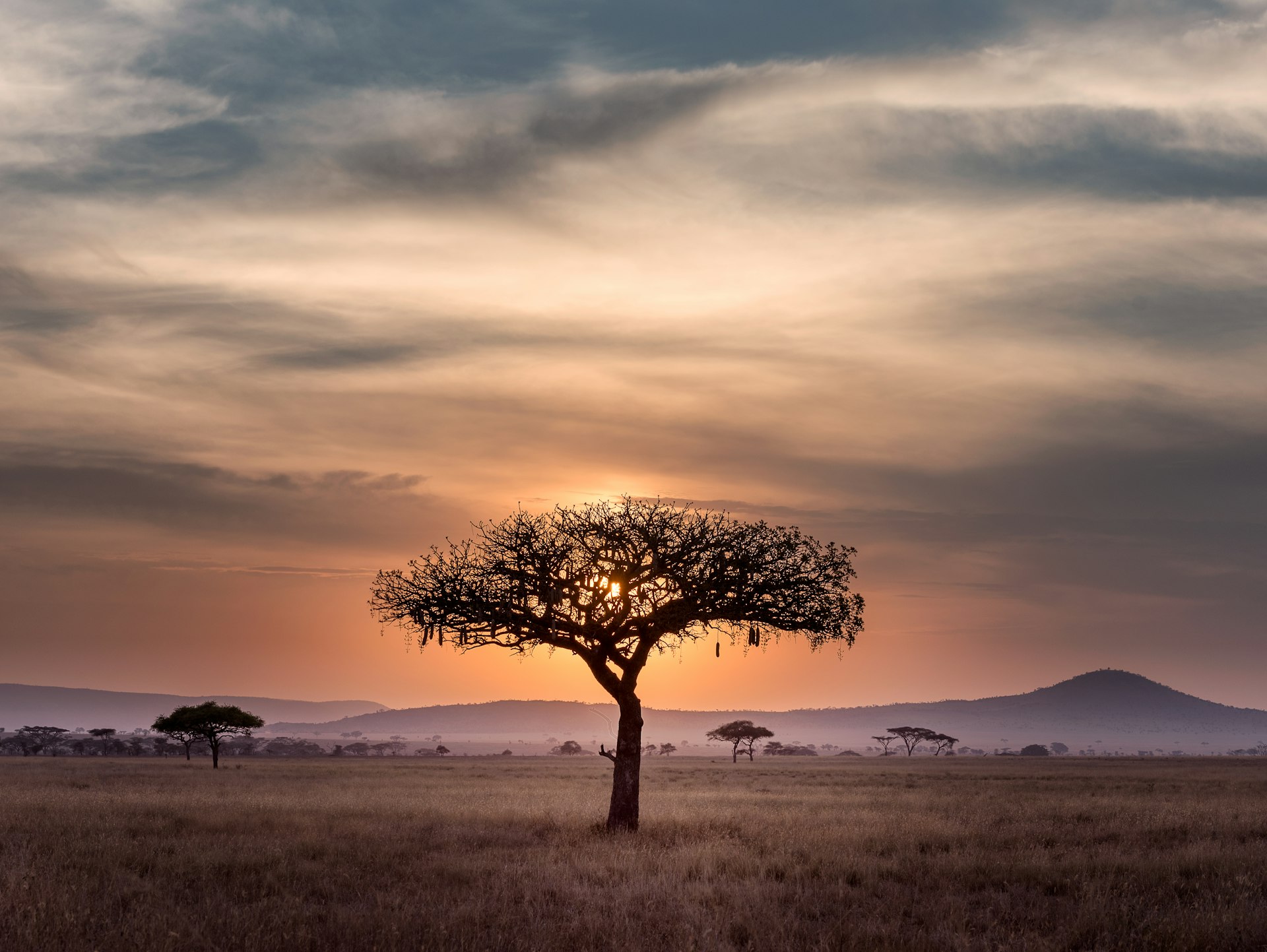
The Masai Mara National Reserve is one of Africa's most legendary wildlife destinations — but when you visit makes a significant difference to what you'll experience. The Great Wildebeest Migration, weather patterns, crowd levels, and prices all vary dramatically across the year.
The short answer? July to October is peak season for the famous Mara River crossings. But Masai Mara is extraordinary year-round — even in "low season", you're watching the Big Five against a backdrop of endless golden savannah. No month is a bad month.
Key fact: The Great Migration is a year-round, circular event — it's always happening somewhere. The "best time to visit" refers to when the herds are in the Kenyan Mara rather than Tanzania's Serengeti.
The Great Migration: When Does It Happen?
The migration follows a clockwise route dictated by rainfall and grass availability. Roughly 1.5 million wildebeest plus hundreds of thousands of zebra and gazelle make this annual journey — the world's greatest wildlife spectacle.
- December – March: Herds in Tanzania's Ndutu area (southern Serengeti). Calving season — over 400,000 calves born in a 3-week period. Predator action is intense.
- April – June: Herds migrating northward through the central Serengeti. Long rains in Kenya; fewer tourists in Mara.
- July – August: Herds arrive in Masai Mara. River crossings begin — one of Africa's most dramatic natural events.
- September – October: Peak river crossings. Largest herds in the Mara. Most dramatic photography opportunities.
- November: Herds begin returning south following the short rains into Tanzania.
Month-by-Month Breakdown
Green Season — Excellent Year-Round Wildlife
The Mara is lush and green after the short rains. No migration, but resident wildlife is superb — lions, leopards, cheetahs, and the full Big Five are present year-round. This is calving season for many species in the Mara, bringing predators to a hunting frenzy. Fewer tourists means private game drives and more relaxed sightings.
Long Rains — Lush Landscapes, Best Value
April and May bring Kenya's long rains — roads can be muddy, but the Mara transforms into a spectacular emerald landscape. This is the "green season" and the best value time to visit. Wildlife is still excellent, and the dramatic skies and lush vegetation create stunning photography. June sees rains tapering off and the first migration herds crossing into Kenya.
Migration Season — River Crossings Begin
The herds arrive in the Mara from July, building towards the dramatic Mara River crossings. July is the start of the dry season — the air is clear and game viewing is excellent as animals congregate around remaining water sources. By August, the crossings are happening regularly. This is genuinely one of the most thrilling wildlife spectacles on Earth. Expect peak prices and a need to book months ahead.
Peak Migration — The Most Dramatic Crossings
The absolute best time to witness river crossings. September and October see the largest herds present in the Mara and the most frequent, dramatic crossings. The dry landscape concentrates game around water sources, making predator sightings almost guaranteed. October marks the tail-end of migration as herds start moving south — often the most spectacular crossings happen as they exit. Book 6+ months in advance.
Short Rains — Value & Tranquillity
The short rains (November) bring the herds back south toward Tanzania. The Mara empties of migration animals but remains excellent for resident wildlife — lions, leopards, cheetahs, and elephants. The landscape turns green again. November is a great value month with fewer tourists than peak season. December's Christmas period sees a spike in visitors and prices.
Migration Timing: Why It's Never Guaranteed
We get asked this every week: "Can you guarantee I'll see a river crossing?"
The honest answer is no — and we'd be suspicious of any operator who says otherwise. The wildebeest follow the rains and the grass, which vary every year. In a good year, crossings happen multiple times daily in September. In a drier year, the herds may come and go more quickly. The Mara River crossing locations shift with water levels.
What we can guarantee: our guides are in daily radio contact with other vehicles across the Mara, sharing sighting information. When a crossing is imminent, we'll position you for the best view. Staying 3+ nights in the Mara during July–October gives you excellent odds of witnessing at least one crossing.
Practical Planning Tips
- Book accommodation early: The best lodges inside or bordering the Mara sell out 4–6 months ahead for peak season.
- Minimum 2 nights in the Mara: One night gives you just 2 game drives. Three nights (2 full days) dramatically improves your chances.
- Combine parks: Pair Masai Mara with Lake Nakuru (flamingos, rhinos) or Amboseli (elephants with Kilimanjaro views) for variety.
- Hot air balloon: Do it at dawn during migration season — floating over a herd of wildebeest is unforgettable. Available year-round but magical July–October.
- Private vehicle: In peak season, a private vehicle means you can wait at a crossing site without the guide having to move on for other guests.
Our Recommendation
If witnessing the Great Migration river crossings is your primary goal: book September. The herds are large, crossings are frequent, and the dry landscape makes for dramatic photography.
If you want the migration experience but value slightly lower prices and fewer crowds: July is excellent — the herds are arriving and crossings begin, but it's less frenetic than September.
If budget is your priority: November–December offers superb resident wildlife, lush green landscapes, and regular season prices. The "shoulder season" sweet spot.