The term "Big Five" was originally coined by big game hunters in the 19th century to refer to the five most dangerous African animals to hunt on foot. Today, the Big Five has become the most sought-after wildlife checklist for safari-goers — a rite of passage for anyone visiting Kenya or Tanzania.
Kenya is one of the best places in the world to see all five. Masai Mara alone hosts Africa's highest density of lions, excellent leopard populations, and regular sightings of all the others. This guide covers everything you need to know about each animal — and exactly where and when to find them.
Good news: Most of our guests see all Big Five on a 5-day Kenya safari. Even a 3-day Masai Mara trip frequently yields all five. Our guides track sightings daily and position you for the best opportunities.
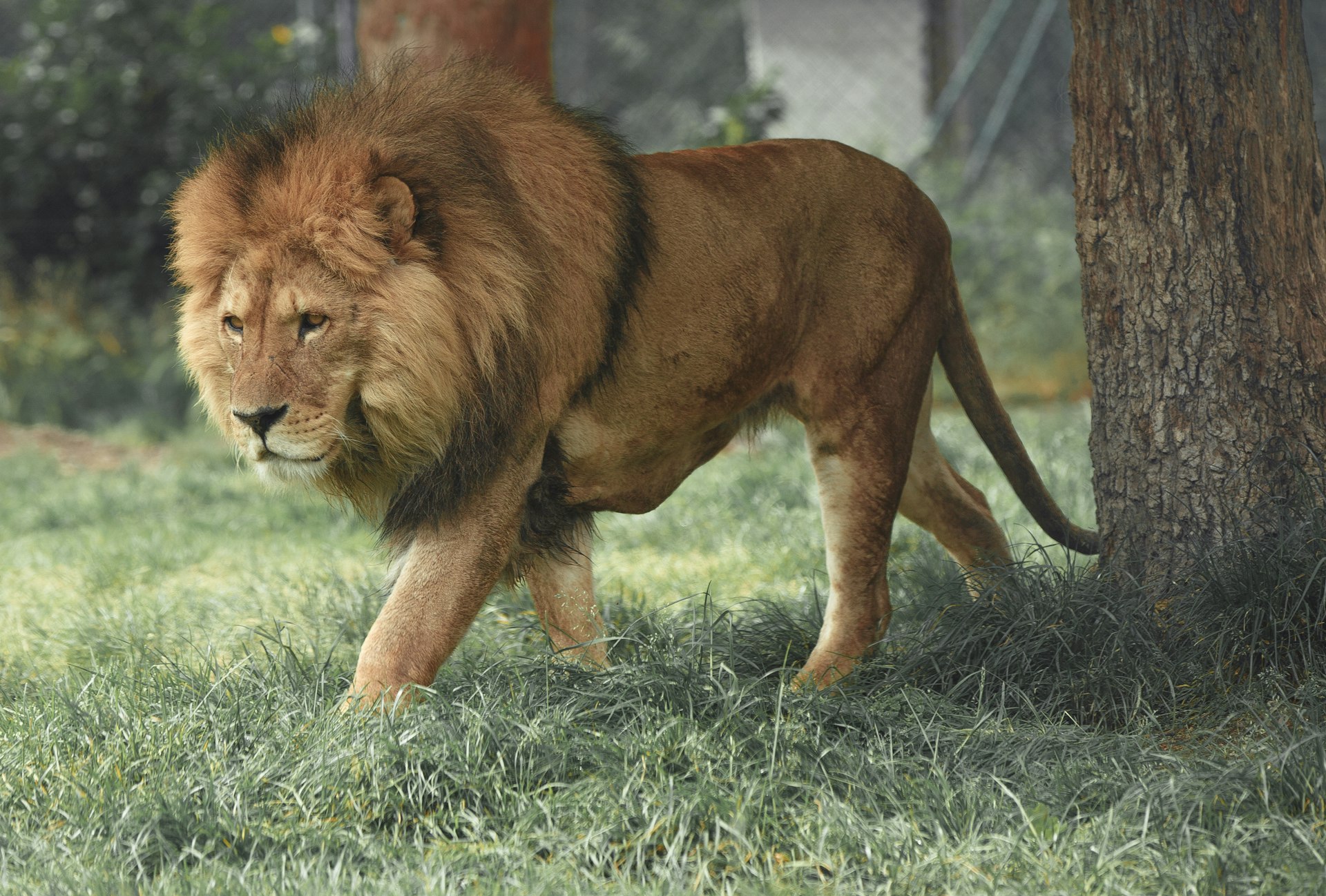
African Lion Panthera leo
VulnerableThe undisputed king of the savannah. Kenya's Masai Mara hosts some of Africa's most famous lion prides, including the iconic Marsh Pride made famous by BBC's Big Cat Diary. Males weigh up to 250kg and can be heard roaring up to 8km away at night.
Viewing tips: Lions are most active at dawn and dusk. During the day, look under acacia trees and in tall grass. Follow vultures circling — they often indicate a kill. Listen for alarm calls from zebra or wildebeest.
Best parks:
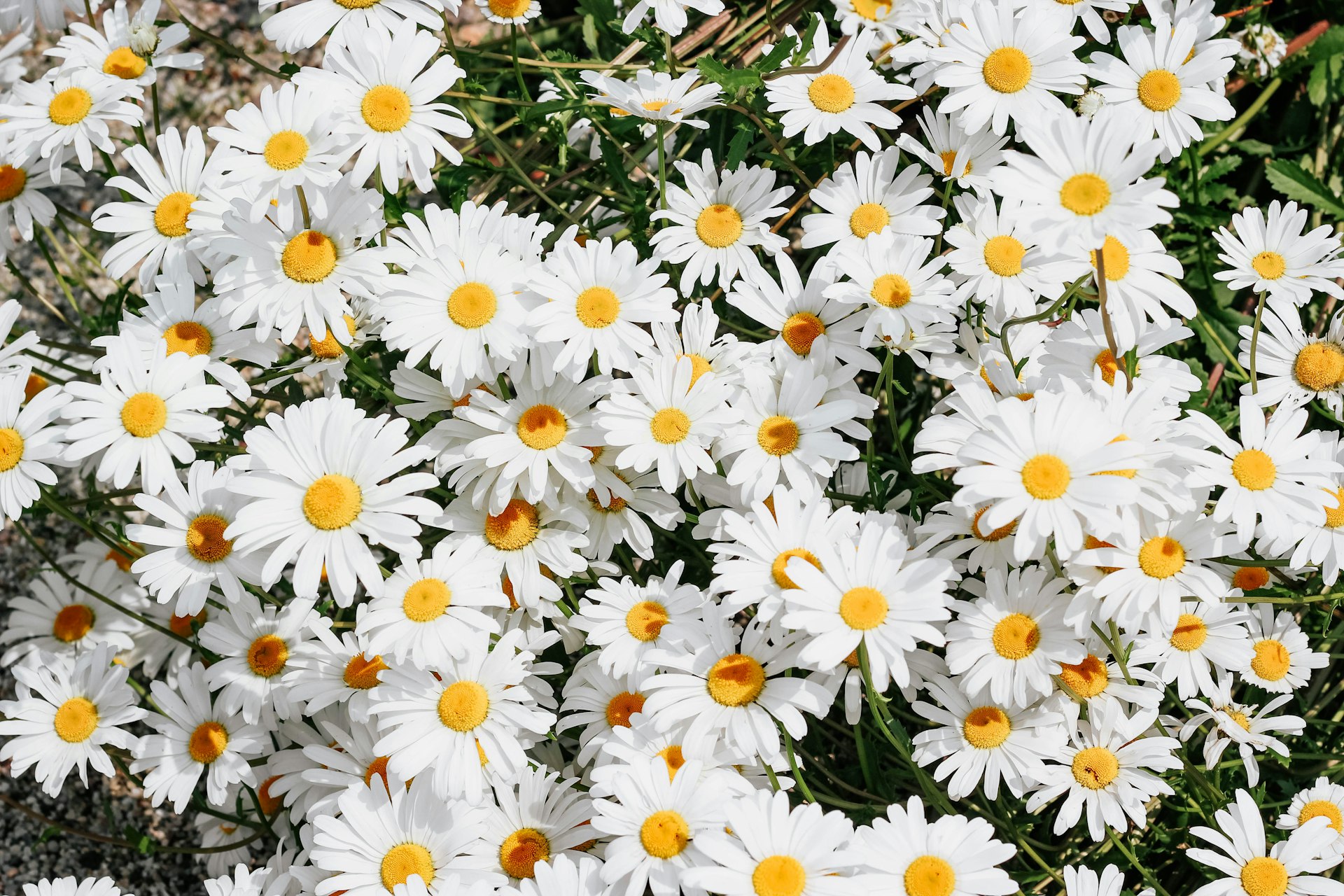
Leopard Panthera pardus
VulnerableThe most elusive of the Big Five — and arguably the most beautiful. Leopards are solitary, supremely camouflaged, and largely nocturnal. A leopard sighting is the true "collector's item" on any safari checklist, treasured by even the most experienced wildlife photographers.
Viewing tips: Scan riverine trees and dense bush. Leopards frequently haul their kills into trees to keep them away from lions and hyenas — a carcass in a tree is a sure sign. Early morning and evening drives maximise your chances. The Mara River area and Sekenani Valley in the Masai Mara are leopard hotspots.
Best parks:
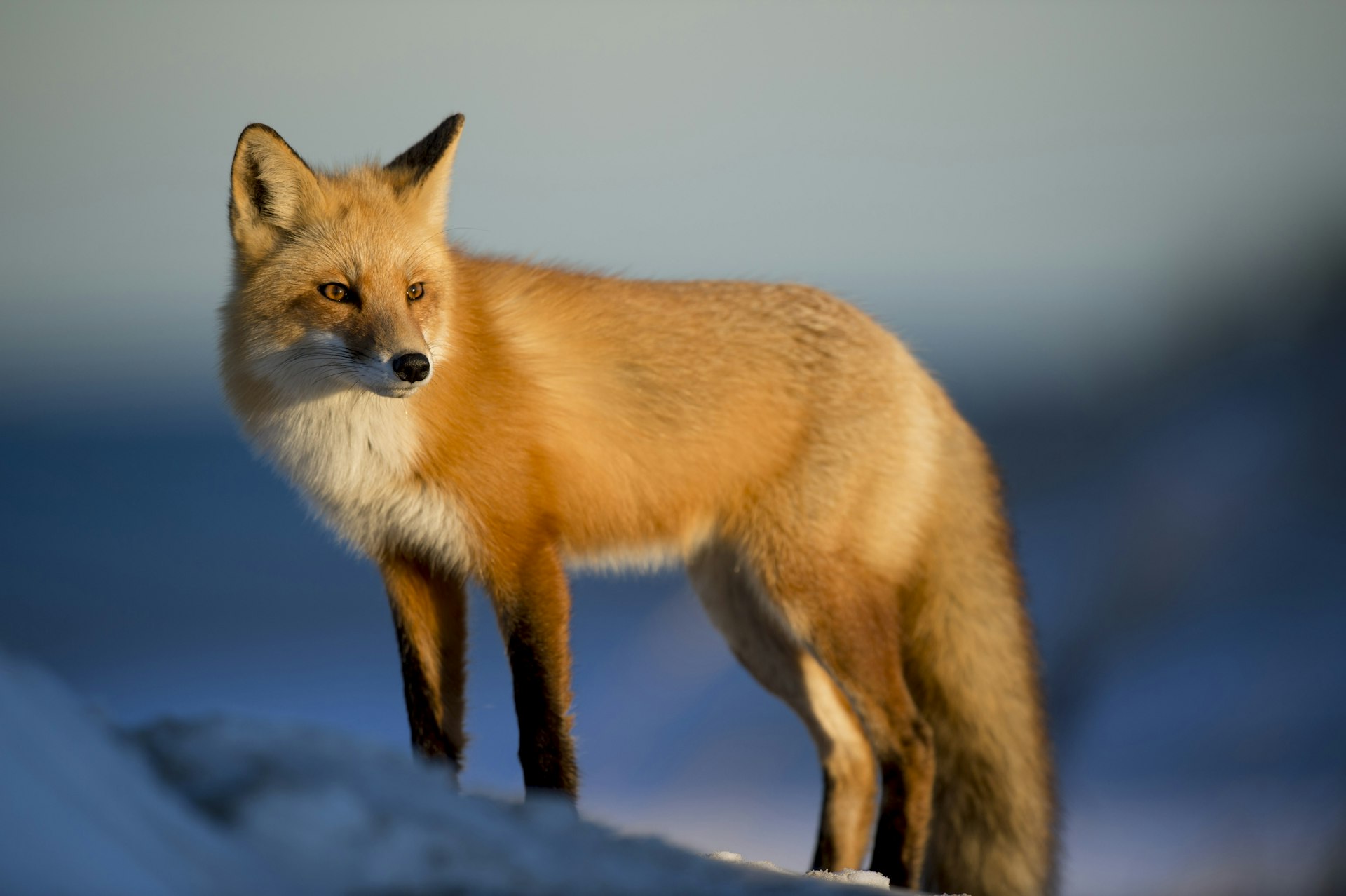
African Elephant Loxodonta africana
VulnerableThe world's largest land animal — and perhaps the most emotionally moving to encounter. African elephants live in complex matriarchal family groups with strong social bonds. Watching a herd at a waterhole, with calves playing beneath their mothers, is one of safari's greatest pleasures. Amboseli alone hosts over 1,600 free-ranging elephants.
Viewing tips: Elephants are found across virtually all Kenyan parks. They're most active early morning and late afternoon when they move to water. In dry season, large herds congregate at permanent water sources. The ultimate elephant experience: watching a herd cross a dry riverbed with the snow-capped peak of Kilimanjaro behind them in Amboseli.
Best parks:
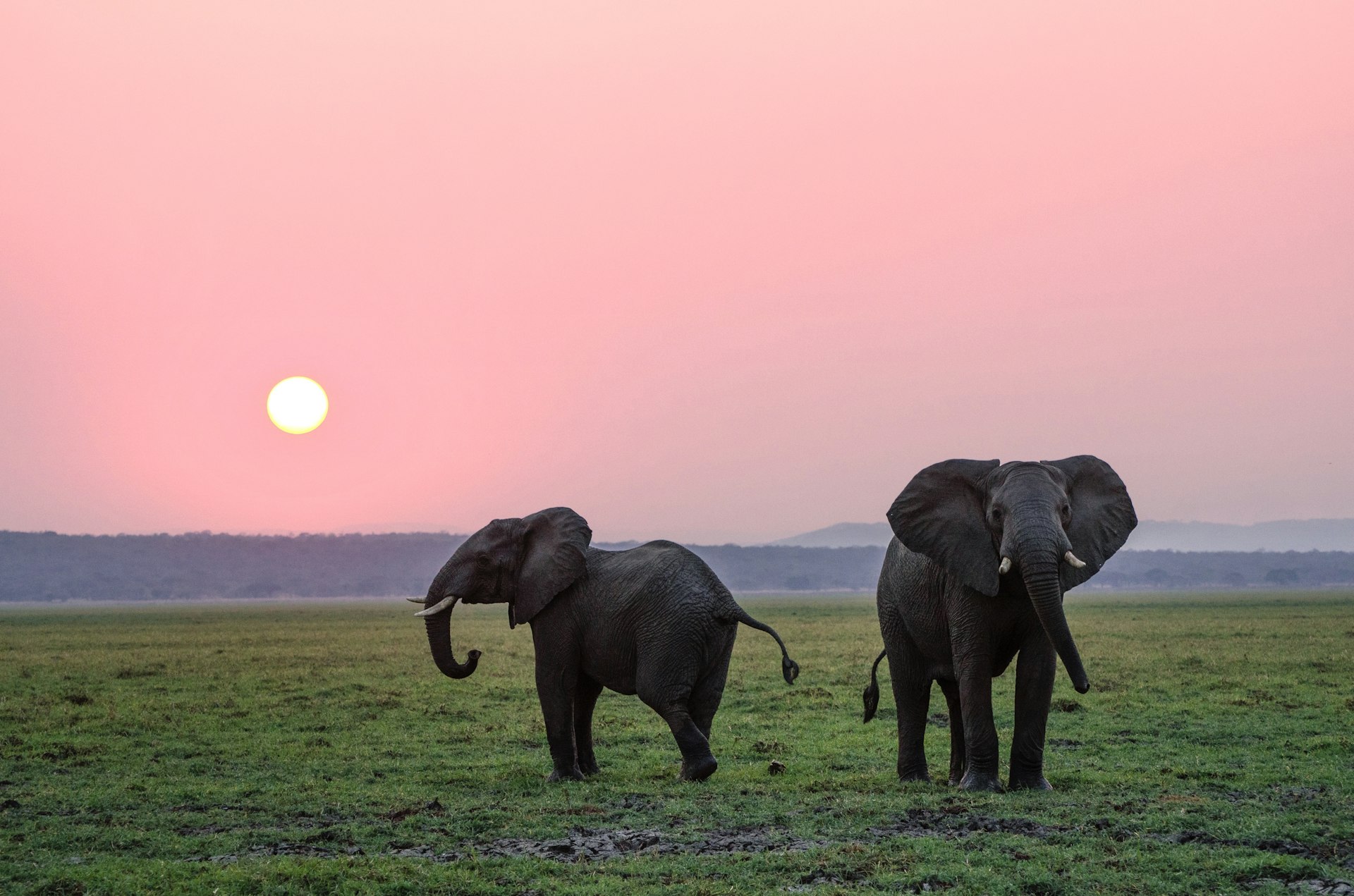
African Buffalo Syncerus caffer
Least ConcernOften the most underappreciated of the Big Five — and arguably the most dangerous. Buffalo have a reputation for unpredictability and are responsible for more human fatalities in Africa than any of the other Big Five. A large herd of buffalo, 500–1,000 strong, moving across the Mara plains is an extraordinary sight. Old males ("dagga boys") are often found resting in shallow wallows.
Viewing tips: Buffalo congregate around water in large herds during dry season. Look for "dagga boys" — older bulls that have left the herd and wallow in mud. The Mara Triangle and Oloololo Escarpment in Masai Mara are reliable buffalo areas.
Best parks:
Rhinoceros Diceros / Ceratotherium
Critically EndangeredThe rarest and hardest of the Big Five to spot — and therefore the most celebrated when you do. Kenya has both black rhino (critically endangered) and white rhino (near threatened). Both species have benefited significantly from Kenya's anti-poaching efforts. Sighting a rhino — especially a mother with a calf — is one of safari's most emotionally powerful moments.
Viewing tips: Lake Nakuru is Kenya's number one rhino sanctuary with reliable populations of both species. The park is fenced, significantly improving sighting probability. Masai Mara has a small black rhino population — harder to find but exhilarating when you do. Go with a guide who knows the rhino territories.
Best parks:
Tips to Maximise Your Big Five Sightings
- Book more days: More game drive time = more sightings. A 5-day package gives you 4 full game drive days versus 2 for a 3-day trip. The difference is enormous.
- Start early: Dawn drives (6–9am) are when lions are most active, elephants are at waterholes, and the light for photography is magical. Don't skip the early start.
- Include Lake Nakuru: For the best chance of all five, include Lake Nakuru in your itinerary alongside Masai Mara. Lake Nakuru is Kenya's most reliable rhino sanctuary.
- Trust your guide: Our guides communicate via radio with a network of other guides across each park, sharing real-time sighting information. When they make a diversion, follow their lead.
- Stay patient at sightings: Watching a lion pride for 45 minutes is more rewarding than driving to 10 different sightings in the same time. The behaviour unfolds if you're patient.
- Go in dry season: July–October vegetation is sparse, concentrating animals at water sources. Sighting density is higher than green season.
Beyond the Big Five
While the Big Five rightfully gets the headlines, Kenya's wildlife extends far beyond these five species. Also watch out for:
- Cheetah — Masai Mara has Kenya's best cheetah density. Frequently seen on open plains, often during early morning hunts.
- Wild dog (African painted dog) — Rare but occasionally seen in Masai Mara and Laikipia. A sighting is exceptionally lucky.
- Hippopotamus — Along the Mara River and in most park waterways. Impressive aggregations of 30–50 hippos in pools.
- Nile Crocodile — The Mara River holds enormous populations. During migration, they prey on crossing wildebeest in dramatic scenes.
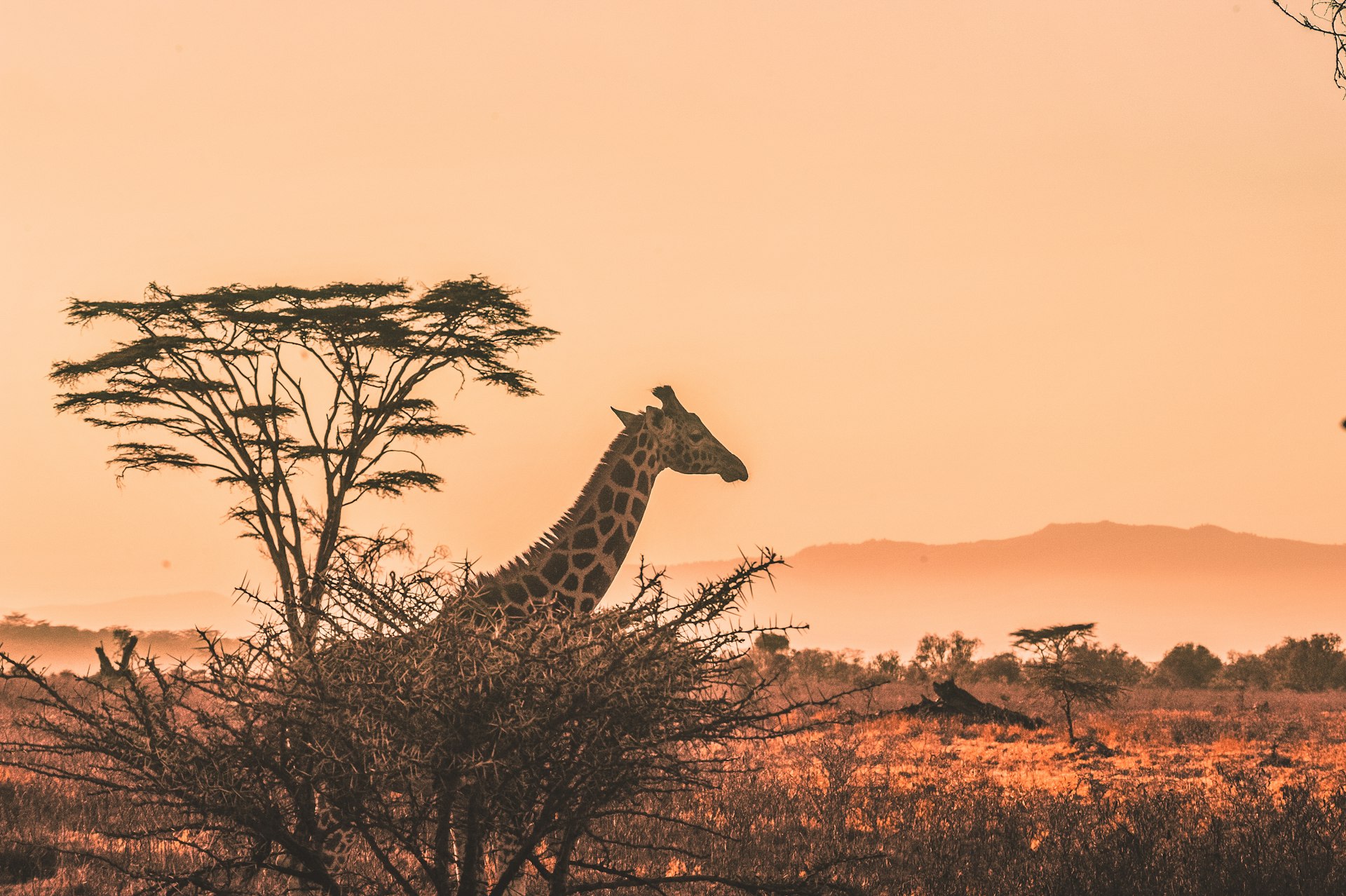
- Giraffe (Masai and Reticulated) — Among the most photogenic animals on the plains. Reticulated giraffe in Samburu are particularly striking.
- Special Five (Samburu): Reticulated giraffe, Grevy's zebra, gerenuk, Beisa oryx, and Somali ostrich — unique to northern Kenya's Samburu.